Physical Health
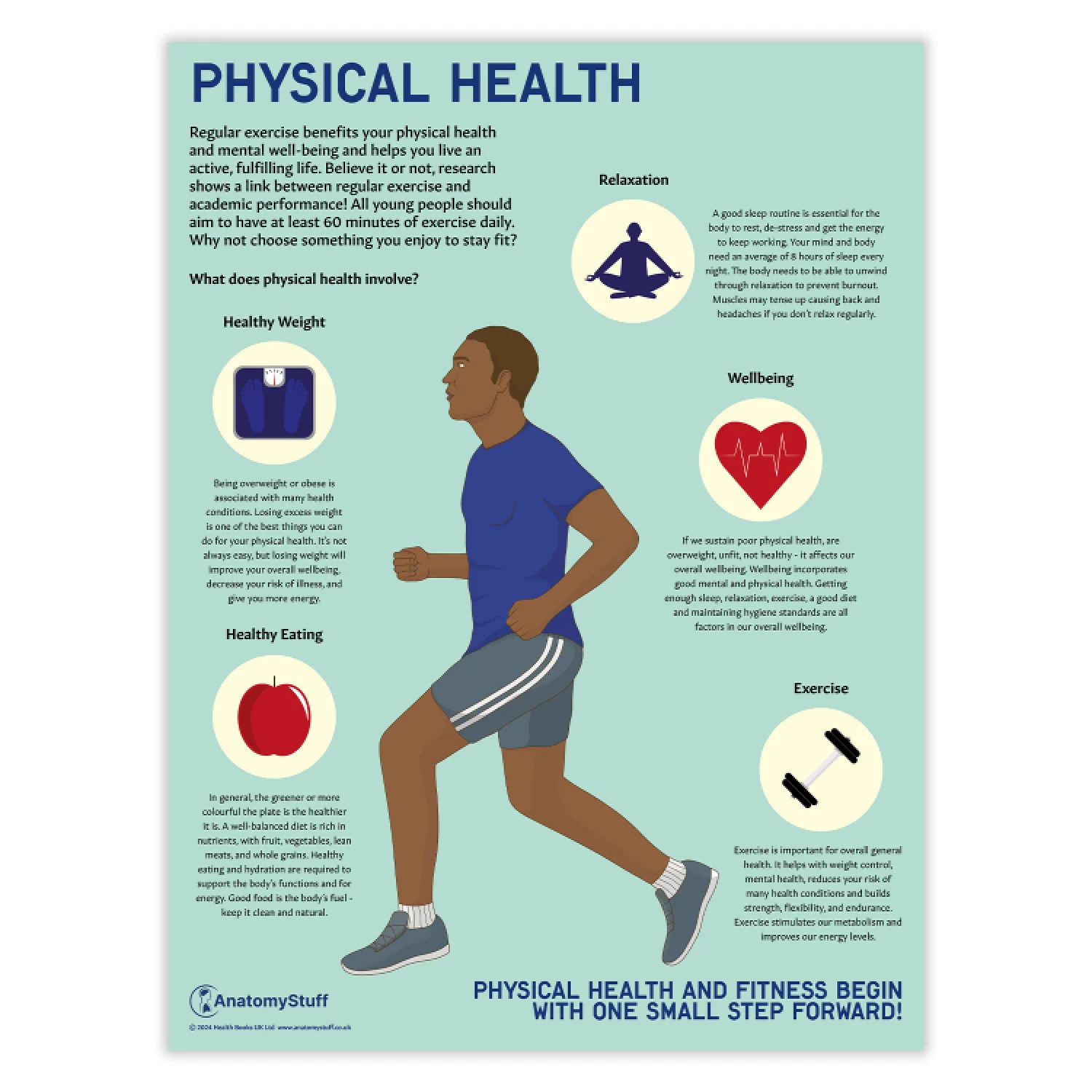
Exercise plays a key role in maintaining physical health. It strengthens the heart, improves blood circulation, and increases overall endurance. Regular physical activity helps reduce the risk of serious diseases such as heart disease, obesity, and diabetes. It also supports better sleep and boosts energy levels throughout the day. By staying active, individuals can improve their overall quality of life and maintain a healthier body over time.
In addition to improving endurance, exercise also helps build muscle strength and flexibility. Activities like weight training and stretching improve posture and reduce the risk of injuries. As the body becomes stronger, everyday tasks become easier to perform. Over time, consistent exercise leads to noticeable improvements in physical performance and long-term health benefits.
Mental Health
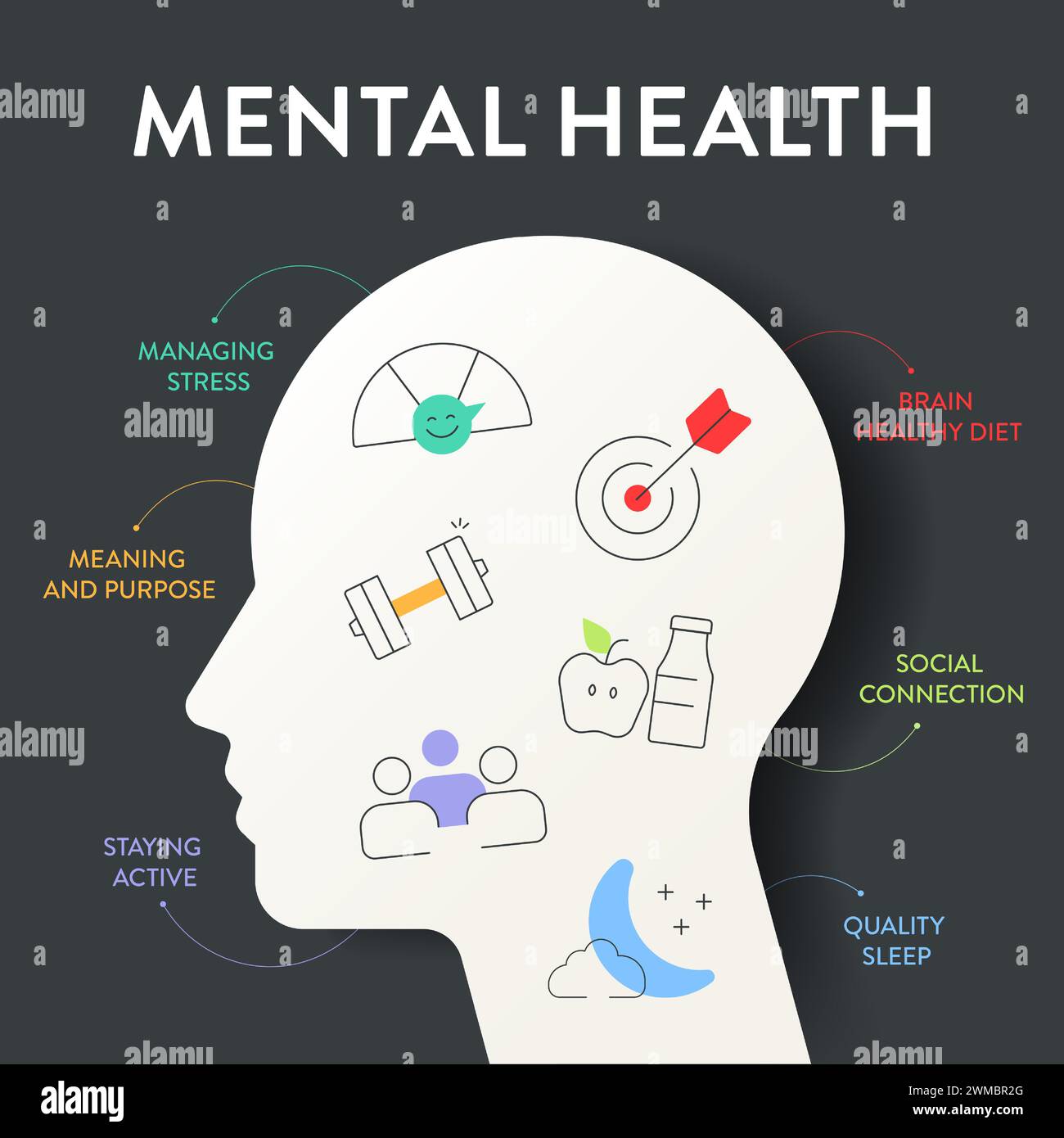
Exercise is not only beneficial for the body but also for the mind. Physical activity helps reduce stress, anxiety, and depression by releasing chemicals that improve mood. Many people feel more relaxed and focused after exercising. It also helps improve self-confidence by allowing individuals to feel better about their physical appearance.
Creating a regular exercise routine can lead to long-term mental health improvements. Simple activities like walking, jogging, or stretching can make a big difference. Over time, exercise becomes a positive habit that contributes to emotional stability and a healthier lifestyle.
Physical Health vs Mental Health
Physical Health
- Focuses on body strength and function
- Improves heart health and circulation
- Reduces risk of disease
- Increases energy and endurance
- Improves muscle strength and flexibility
Mental Health
- Focuses on emotions and stress control
- Improves mood and reduces anxiety
- Boosts motivation and discipline
- Improves focus and decision-making
- Supports emotional stability